Key Takeaways
- Diabetic neuropathy often starts quietly, with mild tingling or numbness in the toes or feet that is easy to brush off.
- Common feelings include burning, 'pins and needles,' numbness, sharp or electric pain, and extra sensitivity to touch, and symptoms are often worse at night.
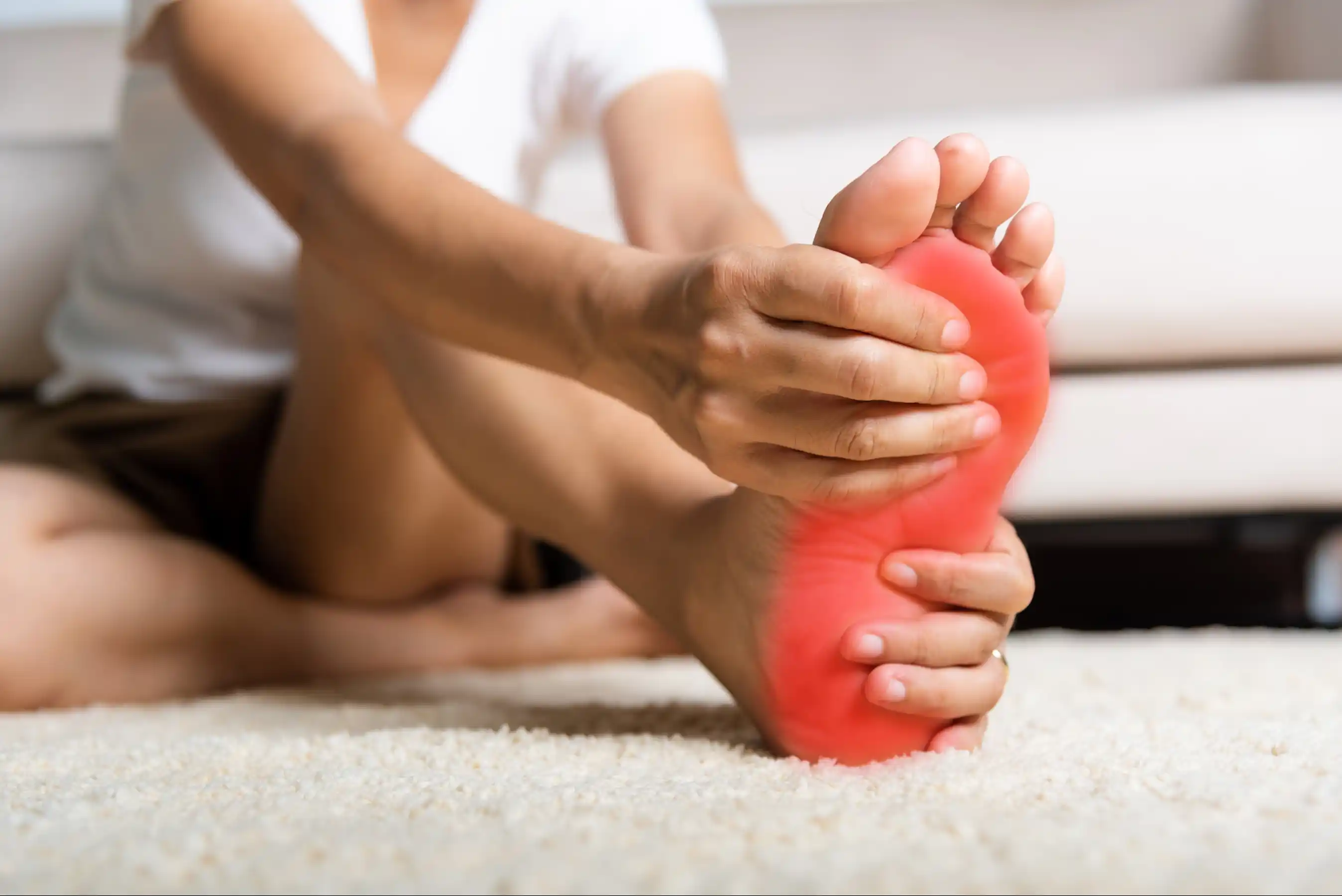
- Symptoms usually start in the feet and legs, and diabetic nerve pain differs from ordinary foot pain because it often affects both feet and has no clear injury behind it.
- You do not have to simply accept diabetic nerve pain, because options beyond pills exist, including nerve stimulation for people whose medications are not enough.
- Grand Rapids Pain is an expert provider of interventional pain management in Grand Rapids, MI, including care for diabetic nerve pain. Request an appointment with Grand Rapids Pain today.
Why the Early Signs of Neuropathy Are Easy to Dismiss
Diabetic neuropathy often starts quietly. You notice a little tingling in your toes after a long day. A patch of skin feels slightly numb. Many people blame tight shoes, a poor night's sleep, or getting older, and they move on.
The problem is that these early signs of neuropathy can be the first warning that diabetes is affecting your nerves. Neuropathy simply means nerve damage. Over time, high blood sugar and high levels of fats in the blood can injure nerves and the tiny blood vessels that feed them. The National Institute of Diabetes and Digestive and Kidney Diseases (NIDDK) says that up to half of people with diabetes have peripheral neuropathy, which is nerve damage in the feet, legs, hands, or arms.
If you have been wondering what diabetic neuropathy feels like, this guide explains the common sensations, how symptoms tend to change over time, and when it is time to get help.
What Does Diabetic Neuropathy Feel Like?
People describe it in many different ways. According to the NIDDK, the feet, legs, hands, or arms may feel:
- Burning.
- Tingling, like 'pins and needles.'
- Numb.
- Painful.
- Weak.
Some people have extreme pain from even a light touch, such as a bedsheet resting on the feet. Others have trouble sensing pain or temperature in these areas.
The NIDDK also notes that symptoms are often worse at night. Most of the time they show up on both sides of the body, although some people notice them on one side only.
Diabetic Nerve Pain in the Feet: Where It Starts and Why
Peripheral neuropathy typically affects the feet and legs first, and sometimes the hands and arms later. A simple way to picture it: the nerves that reach your toes are the longest in your body and the farthest from your spine. Damage often shows up at the far end of the line first.
Because the blood vessels that feed those nerves can be harmed too, nerves in the feet can be hurt from two sides at once.
Diabetic Neuropathy Symptoms: How They Often Progress Over Time
Symptoms usually build slowly. There is no set timeline, and everyone is different. Still, many people notice a pattern like this:
| Stage | What You May Notice |
|---|---|
| Early | Occasional tingling or mild numbness in the toes or soles, often worse at night |
| Building | Burning, 'pins and needles,' or sharp pain that happens more often, less ability to feel heat, cold, or light pressure, and poor sleep |
| Later | Constant pain or numbness, weakness, changes in how you walk, balance problems, and sores or blisters you may not feel |
The NIDDK lists several of these later changes, including changes in the way you walk, loss of balance that can lead to falls, loss of muscle tone in the hands and feet, pain when you walk, and swollen feet. That is why it helps to act on the early signs instead of waiting to see if they fade.
Diabetic Neuropathy vs. General Foot Pain: Spotting the Difference
Not all foot pain is diabetic neuropathy. This comparison can help you describe your symptoms to a doctor.
| Feature | Diabetic Neuropathy | General Foot Pain |
|---|---|---|
| Where | Often both feet, sometimes the legs or hands too | Often one foot or one spot, such as the heel, arch, or a joint |
| What it feels like | Burning, tingling, numbness, or electric pain | Aching, soreness, or sharp pain with pressure |
| Timing | Often worse at night | Often worse after activity or with the first steps in the morning |
| Trigger | Usually no clear injury | Often linked to activity, footwear, or an injury |
| Rest or new shoes | Usually does not fix it | Often helps |
The two can also overlap. A pinched nerve in the lower back can send pain and tingling into the feet. Plantar fasciitis (irritation of the band of tissue along the bottom of the foot) or arthritis can cause foot pain at the same time as neuropathy. That is why a careful exam matters.
Grand Rapids Pain looks at the anatomic level, meaning the team works to pinpoint the exact structure causing your pain instead of guessing from the symptom alone. If back problems may be part of the picture, the practice also treats spine and back conditions that can send symptoms into the legs and feet.
Why Numb Feet Need Extra Attention
Numbness can be risky. The NIDDK explains that if you lose feeling in your feet, you may not notice pressure or injuries that lead to blisters and sores. Diabetes can make those wounds slow to heal and raise the chance of infection.
For that reason, the NIDDK recommends that people with diabetes check their feet every day and get a thorough foot exam at least once a year. If you notice any foot problem, call or see your doctor right away.
When Diabetic Neuropathy Symptoms Warrant an Evaluation
It is time to get checked if you notice any of the following:
- Tingling, burning, or numbness that lasts more than a few weeks.
- Pain that keeps you from sleeping.
- Pain when you walk, or new balance problems.
- Feet that feel numb, so you can no longer tell hot from cold.
- A blister, sore, or color change that is not healing. Call your doctor right away.
- Medication that no longer controls your pain well enough.
If any of these sound familiar, you do not need to wait for symptoms to get worse. Request an appointment with Grand Rapids Pain for a same-week evaluation.
The Mayo Clinic explains that diabetic neuropathy has no known cure and that treatment aims to slow it from getting worse and to relieve pain. That is one more reason not to wait.
You Do Not Have to Just Accept Diabetic Nerve Pain
Many people with diabetic nerve pain stop asking for help. They tried a pill or two, heard that nerve damage is 'part of diabetes,' and decided to live with it. If that sounds like you, there may be more options than you were told about.
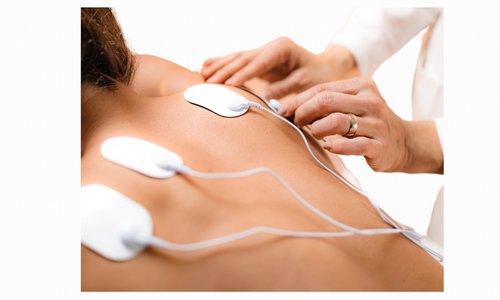
Medication is usually the first step, and for some people it works well. But medicines can cause side effects, and the NIDDK notes that they help with pain without changing the nerve damage itself. When medicines are not enough, nerve stimulation is one option worth discussing. A stimulation device sends gentle electrical pulses that quiet pain signals before they reach the brain, and patients can usually test one for about a week before deciding on anything permanent.
Pain Clinics Treat More Than Back Pain
Many people hear 'pain clinic' and think only of spine and back care. Interventional pain specialists also treat nerve pain and pain in the arms and legs. Nerve stimulation, for example, is used for a wide range of problems when basic treatment has not worked. A clinical guide in Mayo Clinic Proceedings: Innovations, Quality & Outcomes describes uses that include nerve pain in the arms or legs, complex regional pain syndrome, and ongoing back and leg pain after spine surgery.
In plain words, stimulation may be considered for:
- Diabetic neuropathy pain in the feet and legs.
- Complex regional pain syndrome (CRPS), a long-lasting, often burning pain that can affect an arm or a leg.
- Back and leg pain that continues after spine surgery.
- Chronic leg pain from a pinched nerve in the lower back.
- Pain linked to poor blood flow in the limbs, in selected cases.
- In some cases, long-lasting low back pain without leg pain.
Which option fits depends on your diagnosis, your tests, and what you have already tried. Insurance coverage also varies by condition and plan. Grand Rapids Pain's team can help check your coverage and handle pre-authorization.
Not sure whether your pain is a fit? Your primary care doctor or endocrinologist can send a referral with the practice's online referral form, or you can request an appointment yourself.
Diabetic Neuropathy Treatment in Grand Rapids: How Grand Rapids Pain Helps
Managing your blood sugar stays with you and your diabetes care team. Grand Rapids Pain focuses on the pain and loss of function that can remain, using options that go beyond covering symptoms with pills.
The practice starts with careful diagnostics to confirm what is causing your symptoms. Then the team builds a plan. On its Feet & Ankle page, Grand Rapids Pain lists these options for diabetic neuropathy:
- Medication management. Reviewing what you take now and whether it is helping.
- Nerve blocks. Injections of medicine near a nerve to calm pain signals for a period of time.
- Neuromodulation. Small implanted devices that send gentle electrical pulses to quiet pain signals. This includes spinal cord stimulation and dorsal root ganglion (DRG) stimulation, which targets a small cluster of nerve cells near the spine that relays pain signals from the leg and foot. Peripheral nerve stimulation (PNS), which targets a specific nerve, may also be an option for some people, although it has less research behind it so far. Patients can usually try stimulation for about a week before deciding on anything permanent.
- Physical therapy and lifestyle changes. Work on strength, balance, and daily habits.
Grand Rapids Pain does not rely on opioids. The practice focuses on a path to pain relief without them. Grand Rapids Pain is one of the few clinics in the region offering this wide a range of advanced options in one place.
Get Answers About Tingling, Numb, or Burning Feet in Grand Rapids
Diabetic neuropathy is common, and the early signs are easy to miss. Tingling that comes back, numbness that spreads, or burning pain at night all deserve a closer look. Getting checked early gives you more options and more to protect.
Grand Rapids Pain offers same-week appointments for diabetic neuropathy treatment in Grand Rapids, MI. Request an appointment with Grand Rapids Pain and ask about diabetic nerve pain relief, or learn more about the practice's foot, ankle, and leg pain care.
Frequently Asked Questions
What does diabetic neuropathy feel like?
Diabetic neuropathy can feel like burning, tingling or 'pins and needles,' numbness, weakness, or pain in the feet, legs, hands, or arms. Some people are very sensitive to light touch, and others lose the ability to feel heat, cold, or pain.
What are the early signs of neuropathy?
Early signs often include mild tingling or numbness in the toes or soles, especially at night. These sensations can come and go at first, which is why they are easy to ignore.
Is diabetic nerve pain in the feet worse at night?
Often, yes. The NIDDK notes that peripheral neuropathy symptoms are often worse at night. If pain or tingling is keeping you awake, it is worth discussing with a doctor.
How is diabetic neuropathy different from regular foot pain?
Diabetic neuropathy often affects both feet, causes burning, tingling, or numbness, and has no clear injury behind it. Regular foot pain is more often in one spot and linked to activity, footwear, or injury. A foot exam can tell the difference.
Are pain clinics only for back pain?
No. Pain clinics like Grand Rapids Pain treat nerve pain and pain in the feet, legs, arms, and hands as well as the spine. Nerve stimulation, for example, is used for diabetic neuropathy, CRPS, and ongoing pain after back surgery.
Can my primary care doctor refer me to a pain specialist?
Yes. Your primary care doctor or endocrinologist can send a referral using Grand Rapids Pain's online referral form. You can also request an appointment on your own.
What is diabetic neuropathy treatment in Grand Rapids like at Grand Rapids Pain?
Grand Rapids Pain starts with diagnostics to confirm the cause of your symptoms. Treatment options for diabetic neuropathy include medication management, nerve blocks, neuromodulation such as spinal cord and DRG stimulation, physical therapy, and lifestyle changes, all without relying on opioids.