Key Takeaways
- Peripheral nerve stimulation (PNS) is a minimally invasive option for people living with chronic pain that has not improved with traditional treatments.
- PNS is highly effective for localized pain in areas like the shoulder, knee, and hip — even when the pain does not “feel” like classic nerve pain.
- Pain clinics treat much more than spine conditions. Peripheral nerve stimulation can target pain in nearly any anatomic region.
- This therapy does not rely on an implanted battery and preserves normal movement and sensation.
- A short outpatient trial allows patients to experience real-world pain relief before deciding on long-term treatment.
- Grand Rapids Pain is an expert provider of peripheral nerve stimulation and advanced nerve pain treatment in Grand Rapids, MI. Schedule an appointment today to see if you are a candidate.
Rethinking “Nerve Pain”: It’s Not What Most People Expect
When many people hear the term nerve pain, they imagine sharp, burning, tingling, or electric sensations. While those symptoms can occur, nerve-related pain is often far less obvious.
In reality, all pain signals travel through nerves. Nerves are the body’s conductors of pain, whether the source is inflammation, arthritis, joint degeneration, surgical trauma, or soft tissue injury. Sometimes the nerve itself is irritated. Other times, the nerve is simply transmitting pain from another structure.
That means:
- Pain is not always sharp
- Pain is not always burning
- Pain is not always tingling
- Pain may feel dull, aching, throbbing, or deep
Yet it may still respond exceptionally well to peripheral nerve stimulation.
This is especially important for referring providers and patients to understand:
Peripheral nerve stimulation is not limited to classic “neuropathy.”
Pain Clinics Treat More Than Spine Conditions
Another common misconception is that pain clinics only treat back and neck problems. While spine conditions are common, modern interventional pain practices treat pain throughout the entire body.
Peripheral nerve stimulation is successfully used for:
- Chronic shoulder pain
- Chronic knee pain
- Chronic hip pain
- Post-surgical joint pain
- Limb pain
- Certain types of headache and facial pain
If there is a nerve transmitting pain from a specific area, that nerve can potentially be targeted.
Understanding Who Benefits Most From Peripheral Nerve Stimulation
Peripheral nerve stimulation is designed for patients whose pain has become persistent, disruptive, and resistant to conservative care.
Many patients exploring this therapy have already tried:
- Physical therapy
- Anti-inflammatory medications
- Nerve medications
- Steroid injections
- Joint injections
When those options fail to provide lasting relief, PNS may be the next appropriate step.
The therapy works best when pain can be localized to a specific anatomic region and traced to one or more peripheral nerves.
At Grand Rapids Pain, peripheral nerve stimulation is offered as part of a comprehensive, individualized approach to chronic pain management.
Conditions That Respond Well to Peripheral Nerve Stimulation
Chronic Shoulder Pain
Chronic shoulder pain is one of the most successful and well-established uses of peripheral nerve stimulation. Whether pain persists after surgery or surgery is not desired, PNS can significantly reduce shoulder pain without limiting strength or movement.
Chronic Knee Pain
Persistent knee pain, even after joint procedures or conservative treatment, may respond extremely well to nerve stimulation. Targeting knee-related nerves allows for focused relief while preserving mobility.
Hip and Joint-Related Pain
Patients with lingering hip pain, including pain after joint replacement, may benefit from PNS when the pain signal continues despite mechanical correction of the joint.
Other Localized Pain Conditions
Peripheral nerve stimulation may also help:
- Arm or leg pain
- Post-surgical pain in a specific region
- Certain facial pain conditions
- Chronic headaches related to peripheral nerve irritation
The key is localization. When pain can be mapped to a specific nerve pathway, stimulation can often help.
Health and Lifestyle Factors That Influence Candidacy
Being a good candidate involves more than just where pain is located.
Factors That Support Good Outcomes
- Pain localized to a specific area
- Chronic symptoms lasting several months or longer
- Limited benefit from medications, therapy, or injections
- Desire to reduce reliance on pain medications
- Willingness to participate in a short outpatient trial
Factors That May Require Additional Evaluation
- Widespread, poorly defined pain
- Active infection near the treatment site
- Certain untreated medical conditions affecting healing
Because peripheral nerve stimulation is minimally invasive, many patients who are not surgical candidates may still qualify.
How Peripheral Nerve Stimulation Differs From External Nerve Therapies
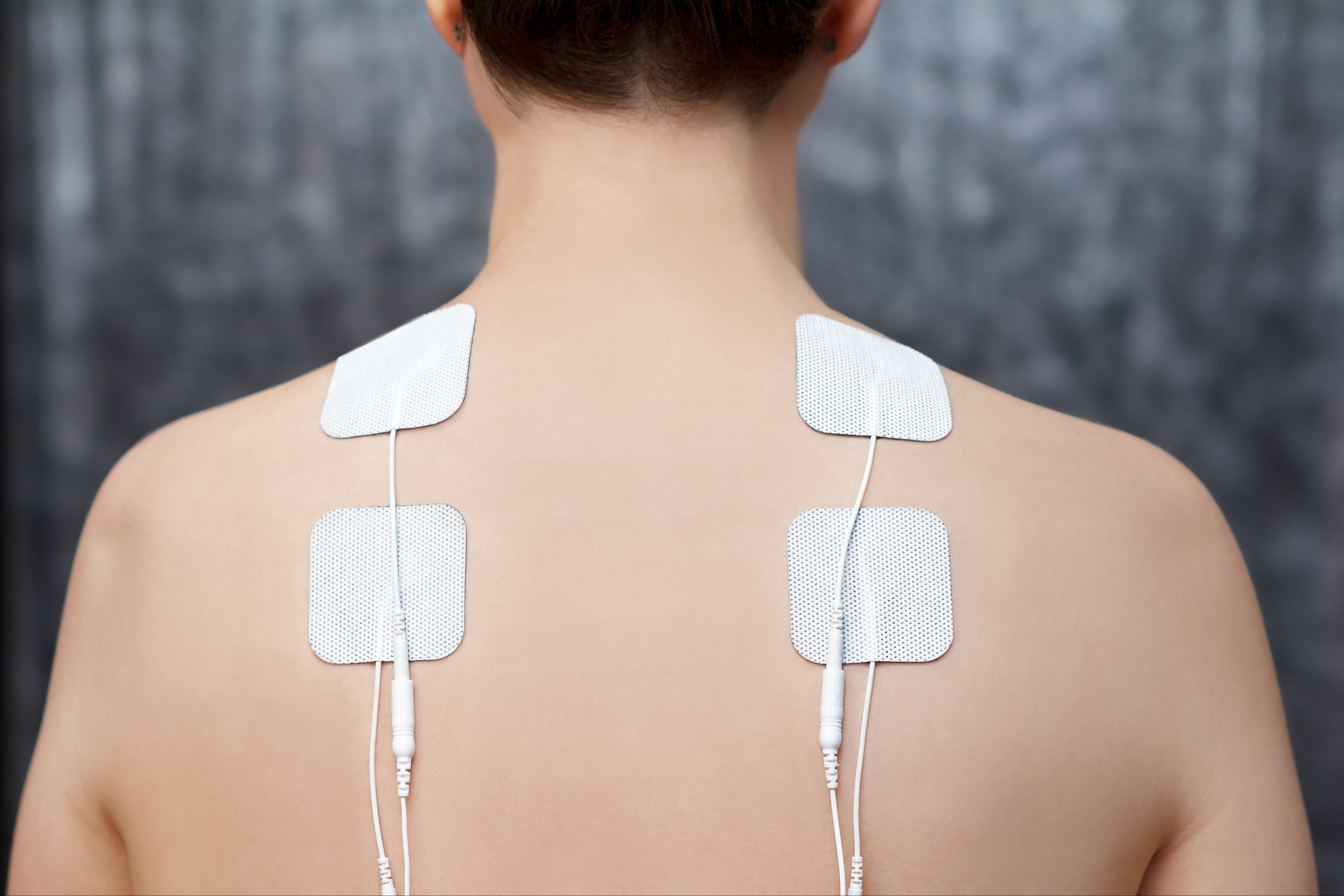
Patients sometimes compare PNS to TENS units. While both use electrical signals, they function very differently.
| Feature | Peripheral Nerve Stimulation | External Nerve Stimulation (TENS) |
|---|---|---|
| Target | Specific peripheral nerve | Skin-level nerve endings |
| Depth | Direct nerve modulation | Surface-level stimulation |
| Duration of Relief | Hours to days | Minutes to hours |
| Implant | Tiny internal receiver, no battery | External pads only |
| Movement | Fully preserved | Fully preserved |
Peripheral nerve stimulation provides deeper, more consistent modulation because it works directly at the nerve responsible for transmitting pain.
What to Expect During the Evaluation Process
Evaluation begins with a detailed assessment of pain location, history, prior treatments, and functional goals.
If appropriate, patients may undergo a short outpatient trial.
The Trial Phase
During the trial:
- Hair-thin receiver wires are placed just beneath the skin near the targeted nerve
- No large incisions are required
- Patients use a small external transmitter at home
- Stimulation is tested during normal daily activities
This allows patients to determine how much relief they experience in real-life conditions.
Determining Success
A successful trial typically includes:
- 50% or greater pain reduction
- Improved daily function
- Reduced need for medications
If successful, permanent placement may be recommended.
What Happens After Permanent Placement
Permanent placement is a brief outpatient procedure, typically completed in under an hour.
Unlike some implanted devices, peripheral nerve stimulation:
- Does not require a battery implant
- Does not require battery replacement surgery
- Remains invisible under the skin
- Does not restrict movement
After healing, patients often use stimulation only briefly to achieve extended relief.
Long-Term Expectations
Most patients experience sustained improvement in both pain and function. Relief commonly ranges from 50% to 95%, depending on the condition and individual response.
Importantly, choosing PNS does not eliminate other treatment options. Additional procedures or surgery can still be pursued if necessary.
As insurance coverage for repeated nerve blocks becomes less predictable, peripheral nerve stimulation is becoming an increasingly valuable long-term strategy.
Explore Peripheral Nerve Stimulation With Grand Rapids Pain
Peripheral nerve stimulation offers a powerful option for patients living with chronic nerve pain that has not responded to conventional treatments.
Grand Rapids Pain provides expert evaluation and advanced peripheral nerve stimulation to help patients regain comfort, function, and control of their lives. Schedule an appointment today to discuss peripheral nerve stimulation with the specialists
Frequently Asked Questions
How do I know if I am a candidate for peripheral nerve stimulation?
You may be a candidate if your pain is localized to a specific region and has not improved with conservative treatments, even if it does not feel like typical nerve pain.
Does peripheral nerve stimulation require a battery implant?
No. The system uses a tiny internal receiver and an external transmitter, eliminating the need for an implanted battery.
Is peripheral nerve stimulation permanent?
The system can remain in place long term, and many patients experience sustained relief.
Will peripheral nerve stimulation limit my activity?
No. Once healed, normal movement and daily activities are fully preserved.
